



Introduction – Ayurveda & Hormone Balance
Hormonal imbalance is a modern epidemic. From irregular periods and thyroid dysfunction to chronic fatigue, acne, and infertility—imbalanced hormones lie at the root of many health issues. While synthetic treatments like hormone replacement therapy (HRT) and birth control pills offer short-term relief, they often fail to address the underlying imbalance.


This is where Ayurveda, the ancient Indian system of holistic medicine, shines. Rather than suppressing symptoms, Ayurveda aims to balance the entire mind-body system, restore harmony among the doshas (Vata, Pitta, Kapha), and support the endocrine system—the network of glands that produce hormones.
In this comprehensive guide, we’ll explore how Ayurveda approaches hormone balance, the herbs, diets, and lifestyle practices that support it, and how you can naturally heal hormonal disruptions at their root.
Table of Contents
Understanding – Ayurveda & Hormone Balance Through Ayurvedic Lens
Ayurveda doesn’t refer to hormones in modern biochemical terms. Instead, it interprets hormonal imbalances as disturbances in Agni (digestive fire), Ojas (vitality), and the Tridoshas—Vata (movement), Pitta (transformation), and Kapha (structure).

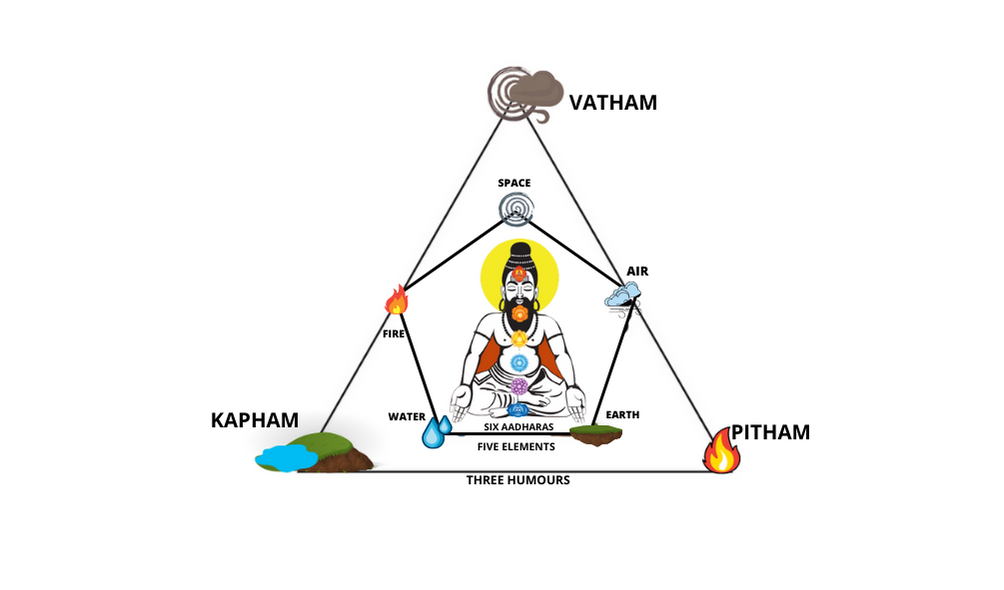
- Vata Imbalance: Can lead to adrenal fatigue, insomnia, anxiety, and irregular menstruation.
- Pitta Imbalance: Can result in thyroid issues, inflammation, acne, PCOS, and anger.
- Kapha Imbalance: Can contribute to weight gain, sluggish metabolism, insulin resistance, and depression.
Hormonal health, therefore, is a reflection of the doshic equilibrium. Ayurveda promotes personalized healing by correcting your unique imbalances using herbs, food, and daily routines (Dinacharya).
The Endocrine System: Ayurvedic Correlation – Ayurveda & Hormone Balance
In modern medicine, the endocrine system includes glands like the pituitary, thyroid, adrenals, pancreas, and ovaries/testes. Ayurveda connects these with various chakras, marma points, and subtle energies:
| Gland | Ayurvedic Correlation | Chakra Associated | Functions |
|---|---|---|---|
| Pituitary | Master Agni (Tejas) | Ajna (Third Eye) | Regulates all hormonal glands |
| Thyroid | Vishuddha Agni | Vishuddha (Throat) | Metabolism, growth, energy |
| Adrenals | Vata Dosha / Basti Marma | Muladhara (Root) | Stress response, cortisol, survival instinct |
| Pancreas | Pachaka Pitta / Nabhi | Manipura (Solar) | Blood sugar, insulin, digestion |
| Ovaries/Testes | Shukra Dhatu | Svadhisthana (Sacral) | Reproduction, fertility, libido |
The Ayurvedic approach focuses on nurturing these glands using herbs, massages, detoxes, yoga, and mindful living.
Common Signs of Hormonal Imbalance



Some typical symptoms indicating hormonal disruption include:
- Irregular or painful periods
- Thyroid dysfunction (hypo/hyperthyroidism)
- PCOS or infertility
- Chronic fatigue
- Hair loss or acne
- Anxiety and mood swings
- Weight gain or resistance
- Poor libido and sexual issues
In Ayurveda, such symptoms are analyzed through Nadi Pariksha (pulse diagnosis) and Prakriti/Vikriti analysis to determine the root imbalance.
Ayurvedic Herbs for Hormonal Balance – Ayurveda & Hormone Balance
Ayurveda has a rich pharmacopeia of herbs known to support hormonal health by restoring systemic balance.
| Herb | Primary Action | Targeted Glands/Systems |
|---|---|---|
| Ashwagandha | Adaptogen, cortisol balance | Adrenals, Thyroid |
| Shatavari | Estrogen support, fertility, libido enhancer | Ovaries, Female Reproductive Organs |
| Guduchi (Giloy) | Immune support, liver detox | Liver, Pancreas |
| Triphala | Gut cleanser, promotes Agni | Digestive System |
| Licorice (Yashtimadhu) | Cortisol regulation, adrenal support | Adrenals |
| Guggul | Thyroid stimulant, fat metabolism | Thyroid, Fat Tissue |
| Brahmi | Nervine tonic, mood stabilizer | Pituitary, Brain |
| Manjistha | Blood purification, liver cleanser | Liver, Endocrine System |
These herbs are typically used in formulations, teas, powders, and ghee preparations.
Panchakarma: Detox for Hormonal Reset
Panchakarma is Ayurveda’s deep detoxification therapy that removes accumulated toxins (Ama) and resets the body’s internal systems. For hormonal balance, a personalized Panchakarma program may include:
- Abhyanga (Oil Massage): Enhances lymph flow and relaxes the nervous system
- Shirodhara (Oil Stream on Forehead): Regulates pituitary gland, reduces stress
- Basti (Medicated Enemas): Balances Vata, addresses reproductive imbalances
- Virechana (Purgation Therapy): Clears excess Pitta, supports liver and thyroid
- Nasya (Nasal Therapy): Clears mind, regulates brain-pituitary connection
This multi-step purification helps bring the endocrine and nervous systems into harmony.
Ayurvedic Diet for Hormonal Harmony
“Food is medicine” is a foundational Ayurvedic belief. A hormone-balancing diet emphasizes seasonal, sattvic, and dosha-specific foods:
General Guidelines: Ayurveda & Hormone Balance
- Eat warm, cooked meals (easy to digest)
- Avoid processed sugar, refined carbs, caffeine
- Include healthy fats (ghee, sesame oil, coconut oil)
- Hydrate with warm herbal teas (cumin, coriander, fennel)
- Favor cruciferous vegetables, leafy greens, and whole grains
Dosha-Based Diet: Ayurveda & Hormone Balance
| Dosha | Foods to Include | Foods to Avoid |
|---|---|---|
| Vata | Cooked grains, root vegetables, sesame oil | Cold foods, raw vegetables, caffeine |
| Pitta | Cooling herbs (mint, cilantro), milk | Spicy, sour, oily, fermented foods |
| Kapha | Bitter greens, barley, spices like turmeric | Dairy, sweets, fried and heavy foods |
A consistent, dosha-balancing diet enhances Agni and nurtures hormone-producing tissues.
Yoga & Meditation for Hormonal Balance
Yoga is an inseparable part of Ayurvedic lifestyle therapy. Certain postures stimulate endocrine glands and release emotional blockages.
Top Asanas: Ayurveda & Hormone Balance
- Sarvangasana (Shoulder Stand) – Stimulates thyroid
- Bhujangasana (Cobra Pose) – Activates adrenal glands
- Setu Bandhasana (Bridge Pose) – Balances pituitary and ovaries
- Supta Baddha Konasana (Reclining Butterfly) – Promotes reproductive health
Pranayama (Breathwork): Ayurveda & Hormone Balance
- Anulom Vilom – Balances Vata and nervous system
- Bhramari – Calms mind, supports pituitary
- Ujjayi – Enhances metabolism, thyroid function
Meditation: Ayurveda & Hormone Balance
- Practicing 10–20 minutes of daily mindfulness or mantra chanting reduces cortisol and helps regulate the HPA (Hypothalamic-Pituitary-Adrenal) axis.
Hormonal Health – Ayurveda & Hormone Balance
for Women: Ayurvedic Perspective
Women undergo multiple hormonal shifts during their life stages—menstruation, pregnancy, postpartum, and menopause. Ayurveda tailors its approach to support these transitions:
- For Menstrual Issues: Shatavari, Dashmool, Triphala; Rasayana therapy
- For PCOS: Kanchanar Guggul, Varun, weight management, detox
- For Fertility: Ashoka, Lodhra, yoga, and balancing Pitta/Vata
- For Menopause: Shatavari, Ashwagandha, oil massages, meditation
Ayurveda focuses on nourishing Shukra Dhatu (reproductive tissue) and maintaining stable Ojas (vital energy) to promote graceful hormonal transitions.
Hormonal Health
for Men: Ayurvedic Insights
Male hormonal issues often relate to testosterone, cortisol, and insulin levels. Ayurveda supports male endocrine health through:
- Ashwagandha & Safed Musli – Boost testosterone and reduce stress
- Gokshura – Improves libido and urinary health
- Kapikacchu (Mucuna pruriens) – Enhances sperm count and dopamine levels
- Yogasana: Vajrasana, Paschimottanasana, and Surya Namaskar
Additionally, a sattvic diet, proper sleep, and abstinence from excess indulgence are emphasized for preserving vitality.
Lifestyle & Daily Routine (Dinacharya) for Hormonal Balance
Ayurveda prescribes a harmonious daily routine that aligns your body with nature’s rhythms—essential for hormonal balance.
Key Practices:
- Wake before sunrise (Brahma Muhurta)
- Tongue scraping and oil pulling (removes Ama)
- Abhyanga (self-oil massage) – especially with Vata-pacifying oils
- Regular meals at fixed times
- Evening wind-down rituals with no screens
- Sleep by 10 PM to sync with melatonin cycles
These practices reset your circadian rhythm, which governs many hormonal functions including cortisol, insulin, and reproductive hormones.
12. Scientific Research & Evidence Supporting Ayurvedic Hormone Healing
Ayurvedic herbs have been extensively studied for their adaptogenic and hormone-modulating effects:
- A study in the Journal of Ayurveda and Integrative Medicine showed Ashwagandha significantly reduced cortisol levels and improved thyroid function.
- Shatavari was found to increase estrogen levels in premenopausal women (Indian Journal of Experimental Biology).
- Guggul extracts have shown positive effects on lipid metabolism and hypothyroidism in multiple clinical studies.
- Brahmi and Jatamansi have been proven to modulate the HPA axis and support mental health.
These findings support the integration of Ayurveda with modern endocrinology.
13. Who Should Not Use Ayurvedic Hormone Therapies?
While Ayurveda is natural and generally safe, certain individuals should consult a qualified practitioner before using specific herbs:
- Pregnant or breastfeeding women
- People with hormone-sensitive cancers (e.g., breast, ovarian)
- Individuals on medications like thyroid hormone, insulin, or birth control
- Children below 12 years of age
- Those with allergies to herbal components
Personalized guidance is essential to avoid herb-drug interactions and ensure safety.
14. FAQs on Ayurveda & Hormones
1. Can Ayurveda cure hormonal imbalance completely?
Ayurveda aims to restore balance, and many experience complete relief, especially with consistent lifestyle changes.
2. How long does it take to see results?
Typically, 4–12 weeks depending on the severity of imbalance and individual constitution.
3. Are Ayurvedic hormones the same as bio-identical hormones?
No. Ayurveda uses herbal adaptogens and tonics, not synthetic or bio-identical hormones.
4. Is Panchakarma necessary for hormone balance?
Not always, but it offers deeper healing for chronic imbalances.
5. Can I take these herbs along with allopathic medicines?
Yes, but always under supervision to avoid herb-drug interactions.
6. Is Ayurveda helpful for thyroid disorders?
Yes, particularly hypothyroidism, through diet, herbs like Guggul, and detox.
7. Which oil is best for hormonal massage?
Vata-balancing oils like sesame or medicated Dashmool oil are ideal.
8. Can Ayurveda help with PCOS?
Yes. With herbs, diet, and lifestyle changes, many women reverse PCOS symptoms.
9. Is there a hormonal yoga sequence in Ayurveda?
While not classical, modern Ayurvedic yoga therapy integrates specific sequences for hormonal health.
10. Can teens use Ayurvedic remedies for acne and mood swings?
Yes, mild herbs and diet regulation can help under supervision.
15. Conclusion
Hormones are messengers of life—governing mood, metabolism, fertility, and energy. Ayurveda offers a natural, holistic, and sustainable path to hormonal balance by addressing the root imbalances, not just symptoms.
By incorporating herbal allies, mindful eating, detox practices, yoga, and lifestyle changes, Ayurveda empowers you to reclaim your endocrine health.
Whether you’re facing irregular cycles, thyroid imbalance, or chronic fatigue, Ayurvedic wisdom can be your guide to restoring rhythm, resilience, and radiance—naturally.
Disclaimer: Always consult a certified Ayurvedic practitioner for a personalized plan.